
Chatbots vs Human Support: Which Works Best for Brands?

In today’s digital-first world, customers expect fast, convenient, and reliable support from brands. Whether it’s tracking an order, solving a billing issue, or asking about a product, response time matters. That’s where the debate begins: should businesses rely on AI-powered chatbots or human customer support?

Both have their strengths. Chatbots bring speed and automation, while human agents add empathy and personal touch. But which one works best for brands in 2025? Let’s break it down.

What Are Chatbots?
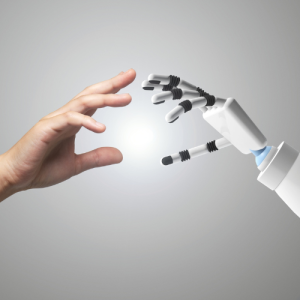
Chatbots are AI-driven virtual assistants that interact with customers through text or voice. They can handle tasks like:

Answering FAQs.

Providing order status.

Suggesting products.

Redirecting issues to human agents.

With tools like ChatGPT, Google Bard, and AI-powered customer service platforms, chatbots have become smarter, faster, and more natural in conversations than ever before.

The Strengths of Chatbots
1. 24/7 Availability

Unlike human agents, chatbots don’t sleep. Customers can get answers anytime—whether it’s midnight or early morning. This makes them perfect for global businesses with customers in different time zones.

2. Speed & Efficiency

Chatbots can respond in seconds and handle multiple conversations at once. For simple queries like “Where’s my order?” or “What’s your return policy?”, they are unbeatable in speed.

3. Cost Savings

Hiring and training support staff is expensive. Chatbots reduce costs by handling repetitive tasks, leaving human agents free for complex issues.

4. Scalability

During peak seasons like Black Friday sales, chatbots can manage thousands of queries at once without breaking a sweat.

The Limitations of Chatbots

Lack of Empathy – Chatbots can sound robotic in sensitive situations, like handling complaints or cancellations.

Limited Problem-Solving – They work well for standard queries but struggle with complex or unique issues.

Frustration Factor – Customers may get annoyed if a chatbot keeps repeating canned responses without offering real help.

The Role of Human Support

Humans remain a crucial part of customer service, even in the AI era. A trained support team can:

1. Show Empathy & Understanding

When a customer is upset, a kind response from a real person can make all the difference. For example, if someone receives a damaged product, a chatbot might just say “Sorry for the inconvenience”—but a human can apologize sincerely and resolve the issue with care.

2. Handle Complex Situations

Some queries require deep understanding. Technical troubleshooting, billing disputes, or special requests are better handled by humans who can think critically and adapt.

3. Build Trust & Loyalty

Talking to a real person creates a stronger emotional connection. Brands known for great customer support often earn long-term loyalty.

The Downsides of Human Support

Limited Availability – Humans can’t work 24/7 without higher costs.

Slower Response Time – A human can handle only one conversation at a time.

Higher Costs – Recruiting, training, and managing a team is expensive compared to chatbots.

Chatbots vs Human Support: Side-by-Side
Feature Chatbots ✅ Human Support ✅
Availability 24/7 Limited hours
Response Time Instant Depends on workload
Cost Efficiency High Expensive
Handling Simple Queries Excellent Good
Handling Complex Issues Limited Excellent
Empathy & Emotional Care Low High
Scalability Unlimited Limited
Which Works Best for Brands?

The truth is, it’s not about choosing one over the other. The best brands in 2025 are combining chatbots + human support for the perfect balance.

✅ When Chatbots Work Best

Answering FAQs.

Tracking orders.

Sharing product details.

Handling high volumes of queries.

✅ When Humans Work Best

Managing complaints or refunds.

Solving technical issues.

Building trust with VIP customers.

Providing emotional support in sensitive cases.

This approach—often called hybrid support—lets chatbots handle routine tasks, while humans step in for complex or emotional situations.

Examples of Hybrid Support

E-commerce: A chatbot gives instant updates on shipping, but a human agent handles refund disputes.

Travel Industry: A chatbot helps book tickets, but a human helps when flights are cancelled.

Healthcare: A chatbot provides basic health tips, but doctors/nurses step in for personalized advice.

The Future of Customer Support

In the coming years, we’ll see:

Smarter AI Chatbots – With natural language processing, they’ll handle more complex queries.

Voice + Chat Integration – Seamless support across text, calls, and smart devices.

AI Assisting Humans – Instead of replacing agents, AI will give them quick answers and suggestions, making responses faster.

The future isn’t about bots replacing people. It’s about AI and humans working together to deliver the best customer experiences.

Final Thoughts

So, chatbots vs human support: which works best? The answer is both.

Chatbots bring speed, availability, and efficiency.

Humans bring empathy, trust, and problem-solving.

Brands that combine the two will stand out in 2025—saving time and money while also making customers feel valued.

In the end, customers don’t care if they’re talking to a bot or a person. What matters is getting fast, accurate, and caring support. Brands that deliver this balance will always win.

✅ SEO Optimized Elements

Primary Keyword: Chatbots vs Human Support

Secondary Keywords: AI in customer service, chatbot benefits, human customer support, hybrid support strategy

Meta Title: Chatbots vs Human Support: Which Works Best for Brands in 2025?

Meta Description: Discover the pros and cons of chatbots vs human support in 2025. Learn why the best brands combine both for faster, smarter, and more empathetic customer service.

Leave a Comment

Your email address will not be published. Required fields are marked *

Scroll to Top